
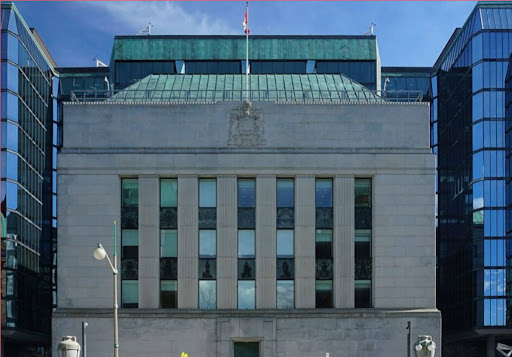
As global oil markets face unprecedented volatility, the Bank of Canada is preparing to deliver a critical policy update this week. Markets overwhelmingly expect the central bank to keep interest rates unchanged for the third time in a row. However, the accompanying statement is expected to be stern, emphasizing the bank’s commitment to curbing any secondary inflationary effects.
The catalyst for this renewed concern is a massive jump in oil prices triggered by the closure of the Strait of Hormuz. With a significant portion of the world’s supply blocked, the cost of gasoline and food production in Canada is under upward pressure. Analysts warn that if the conflict in the Middle East extends into April, the impact on the Consumer Price Index will be substantial.
Bank of Nova Scotia’s Olivier Gervais notes that while the January inflation rate was a modest 2.3 per cent, that figure is poised to climb. The expiration of previous tax reliefs, combined with high energy costs, could push headline inflation above the 3 per cent threshold. This would place the rate outside the Bank of Canada’s preferred target range of 1 to 3 per cent.
The primary fear for policymakers is the “de-anchoring” of inflation expectations among the public. When consumers expect prices to rise, they often demand higher wages, which in turn leads businesses to raise prices further. To prevent this “self-fulfilling prophecy,” Governor Tiff Macklem will likely emphasize that the bank is prepared to hike rates if price growth becomes broad-based.
Looking ahead, the Bank of Canada faces a complex landscape involving slow economic growth and uncertainty over future North American trade agreements. While the 2022 experience taught the bank not to be “caught on its back foot,” the current economic slack provides a small buffer. The upcoming decision will be a defining moment for Canada’s monetary strategy.