
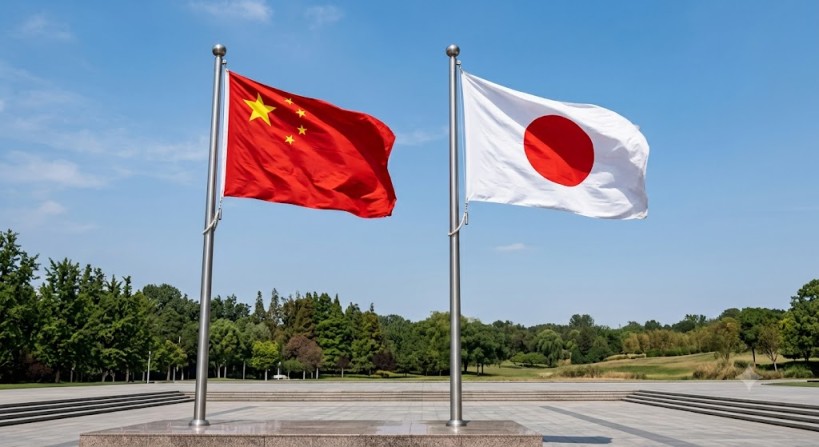
In a significant diplomatic move, China has unveiled new export controls targeting 40 Japanese entities, citing concerns over Japan’s advancement in military capabilities and alleged efforts toward “remilitarization.” The new measures impose restrictions on 20 Japanese companies, including divisions tied to major corporations, by limiting the sale of specific dual-use goods that have both civilian and military applications. Additionally, another 20 Japanese entities have been placed on a watch list, necessitating special approvals, risk assessments, and assurances that exports will not be diverted for military use.
Beijing justified these restrictions as a necessary step to counter what it perceives as Japan’s increasing military expansion. China’s apprehensions primarily focus on Japan’s bolstering of defense capabilities, including the development of long-range weaponry and deeper security collaborations with international partners. This move has further strained relations between the two nations, with Japan responding by labeling the export controls as unacceptable and urging a reversal of the measures. Japanese officials have indicated they will evaluate the implications and consider potential responses.
The backdrop of these tensions is Japan’s recent efforts to expand its defense strategy and enhance its military strength. This has been a point of contention for China, particularly in light of Japan’s security policies concerning Taiwan. Analysts suggest that China’s export restrictions may serve as a diplomatic signal rather than a sweeping economic measure. However, the fragility of China-Japan relations persists against the broader context of regional security issues.
While the current situation reflects a diplomatic warning more than an extensive economic embargo, it underscores the delicate balance and persistent concerns that characterize the relationship between China and Japan. The latest development highlights ongoing geopolitical dynamics and the complexities of regional security that continue to influence interactions between the two countries.