
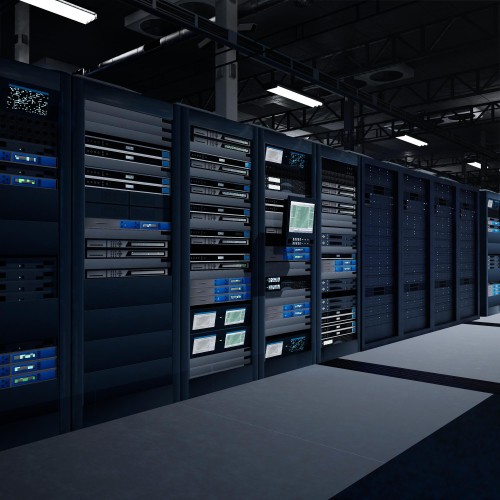
China has reclaimed the top spot in global supercomputing with its new LineShine system, a significant milestone that underscores the country’s advancements in homegrown computing technology. The LineShine supercomputer, housed at the National Supercomputing Centre in Shenzhen, has surpassed the previous leading system from the United States. This achievement marks China’s return to the forefront of supercomputing rankings after several years, though experts caution that it doesn’t necessarily indicate China has surpassed the US in terms of artificial intelligence capabilities.
The LineShine system utilizes domestically developed chips, highlighting China’s push towards technological self-sufficiency. However, analysts emphasize that these traditional supercomputer rankings primarily gauge machines designed for scientific computing tasks. This evaluation method does not fully capture the performance of systems involved in today’s AI workloads, which often rely on specialized chips and expansive data center infrastructures that are typically not part of these rankings.
Many of the most powerful AI systems globally are developed by major technology companies and are not represented in these supercomputer rankings. Experts point out that advanced AI computing significantly depends on specialized chips and large-scale data center capacities. While China’s achievement in topping the supercomputer list is noteworthy, it faces ongoing challenges due to limitations in accessing advanced AI chips, which impacts its AI development efforts.
The ongoing competition in advanced computing between China and the US continues to intensify, with both nations investing significantly in artificial intelligence, quantum technology, and next-generation computing systems. China’s resurgence atop the supercomputing rankings is seen as a testament to its commitment to enhancing self-reliance in chip design and computing technology, even as it navigates the complexities of global tech dynamics and strives to overcome existing limitations.