
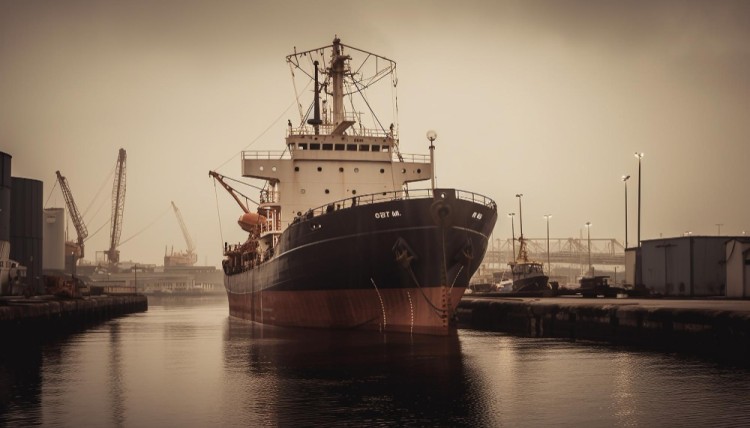
Despite a recent agreement between the United States and Iran, commercial shipping through the Strait of Hormuz is anticipated to face ongoing restrictions. Maritime industry officials have emphasized that normal operations cannot be resumed until the clearance of numerous naval mines. The international tanker owners’ association has reported that approximately 80 mines remain in the central shipping channel, posing a significant hazard for commercial vessels.
Although some ships have managed to navigate the strait via a narrower route along the Omani coast, experts in the industry caution that this alternative increases the potential for groundings and maritime accidents. Consequently, hundreds of vessels remain stalled in the Gulf due to months of disruption, resulting in a considerable backlog that could take an extended period to resolve.
The Strait of Hormuz holds critical importance as a global energy corridor, playing a pivotal role in transporting a large portion of the world’s oil exports. Any prolonged disruption in this region is likely to have significant implications on global supply chains, shipping costs, and energy markets. Furthermore, shipping companies are expressing concerns over reported electronic signal interference during the conflict, which disrupted navigation systems and heightened the risk of collisions in the congested waterway.
Adding to the industry’s apprehensions is Iran’s proposal to implement transit fees for commercial vessels once a temporary toll-free period concludes. Shipping companies argue that such charges would contravene established maritime law, as they are applied in international waters, and could set a challenging precedent for other crucial global shipping routes.