
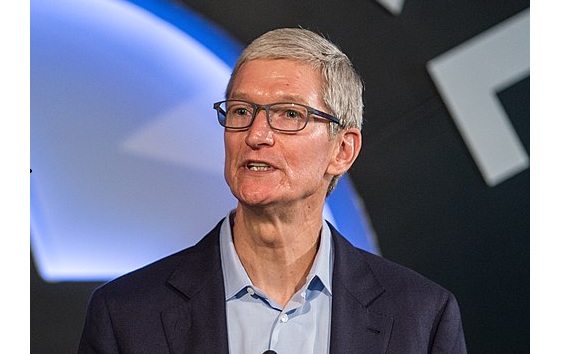
At its Worldwide Developer Conference (WWDC), Apple has unveiled a forward-looking strategy centered on artificial intelligence, marking a pivotal transition in how it approaches its ecosystem. This announcement comes as Tim Cook presented what is reportedly his last keynote as Apple’s CEO. A standout component of this strategy is a substantial enhancement to Siri, which Apple’s software leaders describe as a significant advancement in the voice assistant’s capabilities. The company is focusing on platform-wide improvements, bolstering trust and safety features, as it gears up for its next development phase.
In tandem with its AI initiatives, Apple showcased the upcoming iterations of its operating systems for the iPhone, iPad, Mac, Apple Watch, and Apple TV. These updates prioritize performance, responsiveness, and a more seamless integration within the Apple ecosystem. Users can anticipate faster app launch times, improved data processing, and redesigned system scheduling aimed at enhancing efficiency, even on older devices. This comprehensive update underscores Apple’s commitment to optimizing its devices and user experience.
Centrally featured in the announcement is the “Apple Intelligence” framework, which aims to harness AI-powered features more effectively. By blending on-device processing with cloud-based capabilities, this system is designed to enhance reasoning, visual understanding, and contextual assistance across various applications. Apple’s vision for AI is to integrate these advanced features deeply into its ecosystem, driving smarter user interactions and broader functionality.
Part of this AI evolution involves a more sophisticated Siri, capable of understanding personal context and executing actions across different apps to deliver more pertinent responses. The enhanced Siri will also support continuity, allowing users to maintain their tasks seamlessly when switching between Apple devices. Reinforcing its commitment to privacy, Apple emphasized that user data will not be stored for training purposes but will be used solely to process specific requests.
Additionally, Apple announced expanded tools for child safety and parental controls, offering parents increased oversight over app usage, communication, and web access for children using Apple devices. These AI-driven features are set to be introduced with forthcoming operating system updates later this year, positioning Apple’s ecosystem for a deeper integration of generative AI and more intelligent user interactions.