
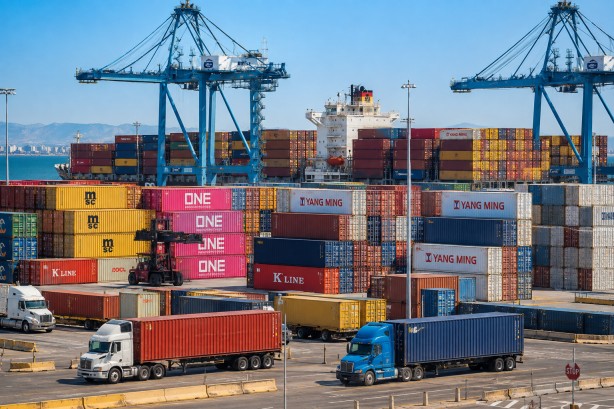
The US government has issued refunds totaling approximately $100 billion in tariffs that were collected under the trade measures known as “Liberation Day,” implemented during President Donald Trump’s tenure. This action follows a Supreme Court ruling declaring a substantial portion of these tariffs unlawful. The refunded amount represents about 60% of the $165 billion initially collected before the court’s decision was made. These tariffs, which targeted imported goods, were a cornerstone of Trump’s trade policy, intended to enhance domestic manufacturing, secure more favorable trade deals, and bolster government revenue.
After the Supreme Court’s decision, the administration began returning the collected duties to the companies affected by these tariffs. Despite the significant refunds, the federal budget deficit remains a pressing issue, having expanded to $1.37 trillion over the first nine months of the fiscal year. This growing deficit highlights the ongoing financial challenges faced by the US government even as it seeks to navigate the complexities of international trade policies.
In a move that could further complicate the trade landscape, the Trump administration recently announced another wave of tariffs, ranging from 10% to 12.5%, on imports from over 80 countries. This list includes major trading partners such as India, China, the United Kingdom, Canada, Mexico, Australia, and the European Union. The administration justified these new tariffs by expressing concerns over products allegedly linked to forced labor practices in these regions.
However, the latest tariffs have already sparked new legal challenges. A coalition comprising 25 US states is actively seeking to block these measures, arguing that they unlawfully replace the tariffs previously invalidated by the Supreme Court. The legal battle over the legitimacy of these new tariffs is likely to continue, adding another layer of complexity to the ongoing trade disputes and economic policies that have characterized recent years.