
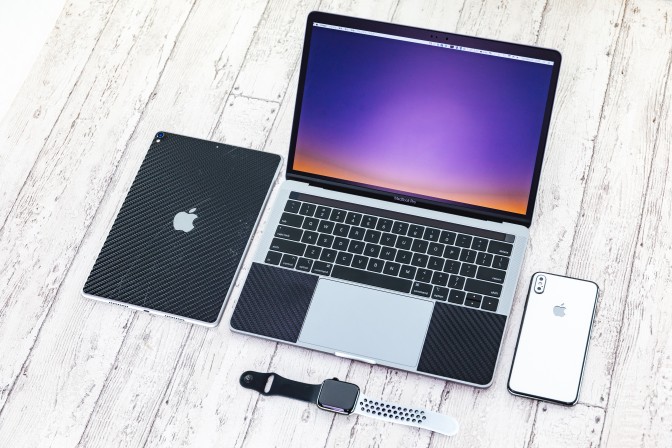
Apple has announced a price hike for several of its iPad and MacBook models, attributing the increase to a substantial rise in the cost of memory and storage chips. This surge in expenses is linked to the escalating demand for infrastructure capable of supporting artificial intelligence technologies. While the company has managed to absorb these additional costs for a period, it now finds it necessary to pass some of this financial burden onto its customers.
The adjustments in pricing impact a range of Apple products, including various MacBook models, iPads, HomePod speakers, and Apple TV devices. Notably, MacBooks with higher storage capacities have experienced significant price rises due to the growing costs associated with memory components. This trend reflects a broader shift in the industry, where global expansion in AI capabilities has led chip manufacturers to prioritize supplying AI data centers and advanced computing systems, thereby limiting the availability of memory components for consumer electronics and driving up production costs across the tech sector.
Despite these challenges, Apple’s extensive supplier network has mitigated some of the price impacts compared to its competitors. However, industry analysts anticipate continued pressure on device pricing as companies navigate the increased costs of essential components. There is growing speculation that even future iPhone models might not be immune to these pricing adjustments, as manufacturers strive to adapt to the evolving economic landscape.
The ripple effect of rising memory chip costs is poised to influence the broader technology market. This development is expected to exert pressure on sales of smartphones and personal computers, as manufacturers grapple with heightened production costs amidst weakening consumer demand. The dynamic poses a complex challenge for the technology industry, which must balance the financial realities of production with the expectations of a price-sensitive market.